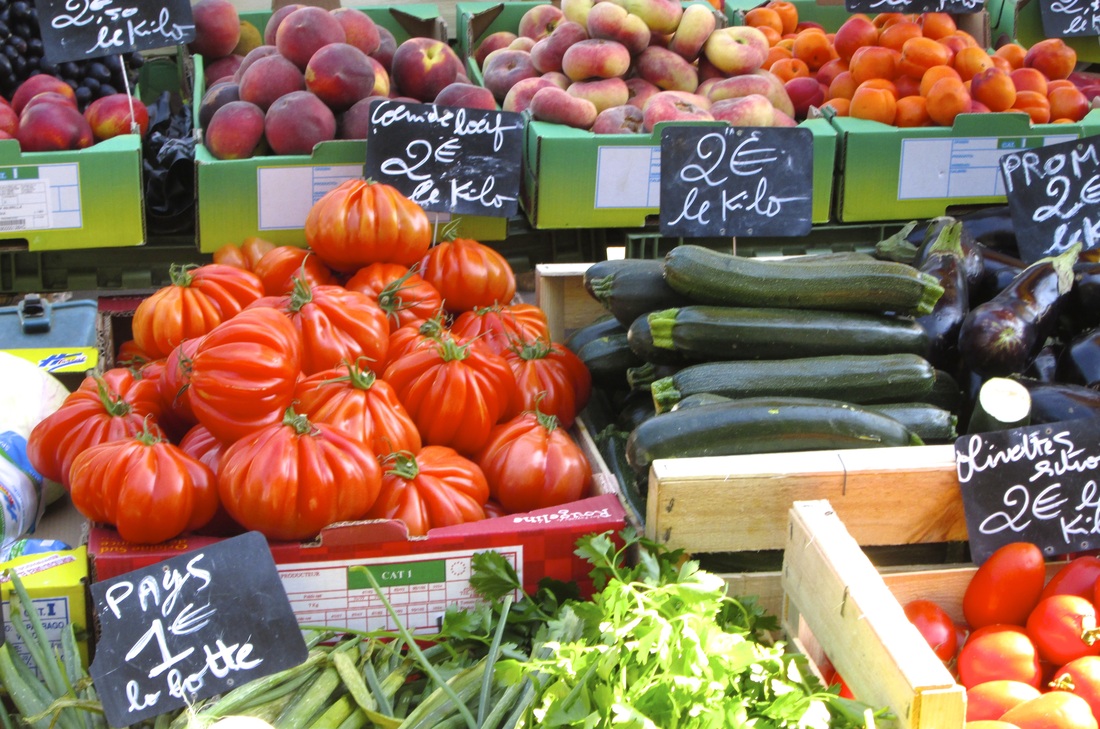
Food is expensive. Climate change is on the news increasingly. Health is on people’s agenda as we head into the new year. A small investment for the New Year is the Eat Well Handbook.
We wrote the book back in 2021 and had households whose food budget had shrunk in mind, but as we wrote it we saw that many of the tips were also ways to support the effect of food consumption on the planet. It became a handbook for eating well in a way that is kind on the pocket and the planet.
One of the biggest things we can do to save money on food is to reduce the amount of food we throw away. It is also one of the biggest ways to reduce the impact on the environment from the food you consume in your home.
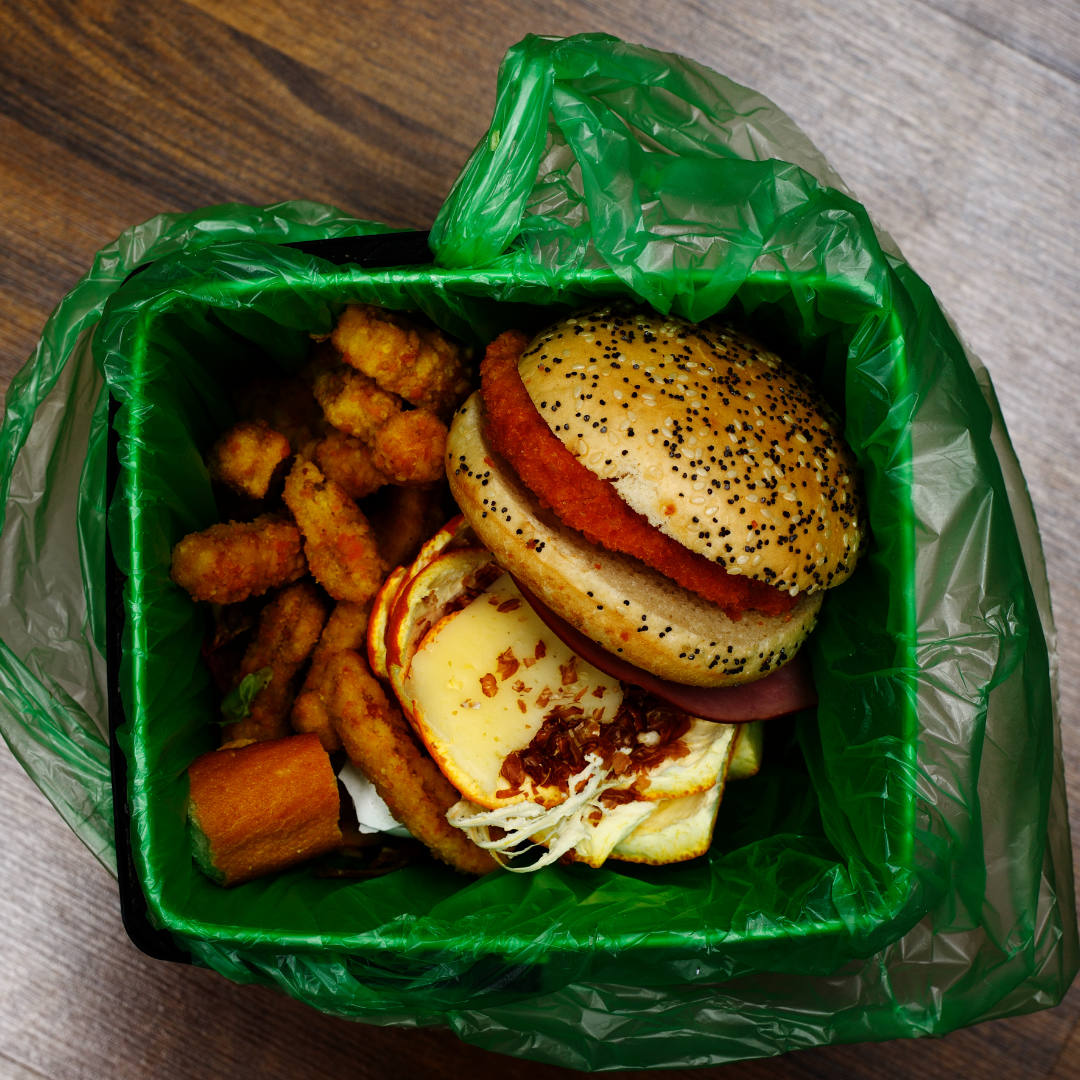
How to reduce food waste
Menu planning and shopping lists
Making a menu plan for the week helps to pull together tight shopping lists. You are less likely to buy more than you need or can use with a good list. The booklet has a chapter on meal planning with useful sheets to help and a shopping list checklist.
Rescue food in danger of ending in the bin
Keep track of the food that you have open or is perishable and use it. Here are some examples:
Freeze ripe fruit. Fruit can be chopped and put into bags and frozen to be used later in smoothies, used in puddings or baking, added to breakfasts or made into ice-lollies. The fruit will keep well in the freezer for between 8 to 12 months.
Stale bread. Bread that has become too dry can be turned into breadcrumbs and frozen. Perfect for gratin toppings or coating fish cakes, chicken etc. Breadcrumbs are used to make Glamorgan sausages, extend meat dishes such as meatballs, meat loaf or homemade burgers etc.
Vegetables that are past their best can be made into soup or added to casseroles, curries and other one pot dishes. They can be used to make stock or can be peeled and chopped to be frozen in ziplock bags for soups at a later date.
Bagged salad or lettuce can be turned into interesting pesto for a quick pasta meal or for use on salmon or chicken.
Never go food shopping hungry
When we are hungry, we are far more likely to make impulse purchases which can result in extra food waste and unnecessary food spend. Much better to go shopping not so long after we have eaten.
Bagged or loose, multi packs and bulk items
It can be tempting to buy pre-bagged, netted or packaged fruit and vegetables where it is cheaper than loose. There are other perishable foods that can be cheaper in bulk. Only buy larger pack sizes of perishables if you are sure you can use or freeze or preserve the whole quantity, if you can’t then only buy what you need.
Discounted products
Foods can often be found for discounted prices at the end of their shelf-life. They can make a really cheap meal if you can eat them on the day you buy them. But think before you throw them in your basket – it is only a bargain if you eat them and they don’t make you ill. If you can’t eat them on the day, you may be able to freeze them for another day.
Food storage
Food lasts longer if you store it properly. Follow storage information on the packaging. Other storage tips include:
- Keeping the foods with shorter use-by dates in front of those with longer shelf life, the products that need using are in sight and close to hand.
- Have a list of what is in your freezer. Label fresh food that you freeze and the date it was frozen.
- Freeze things in portions so that you can only defrost what you need.
- Store lettuce in a plastic bag with a few squares of kitchen paper.
- Store mushrooms in a paper bag or at least remove the cling film – never store them in plastic.
- Check your fridge temperature is below 5 degrees centigrade for storing chilled foods.
- Some fruit and veg should never be stored in the fridge. For example onions, squash, potatoes and bananas are best out of the fridge.
Love Food Hate Waste has a complete guide to storing food well.
Cooking and Serving
- Think carefully about how much you need to cook – if you make more, ensure that you have a plan to use the extra.
- When serving, it’s better to give too small a portion than too large. Leftovers in a pot can be kept and reused. Allow people to serve themselves and encourage children to think about how hungry they are.
- Re-use your leftovers and use them to make another meal or freeze them. It’s important to only freeze meals that were freshly cooked and not frozen before cooking for food safety.
Useful ‘App’ for saving money and reducing food waste
The ‘Too Good To Go’ app helps connect users with local food shops, cafes, restaurants and bakeries, allowing them to buy it at a reduced cost. Your ‘magic bag’ of surplus food purchased via the app is then collected from the local business.

 Lynn Burns RNutr
Eating well on a budget while reducing food waste is outstanding. Thank you 😊
thank you so much!! I am glad you enjoyed the post.
You are welcome!